

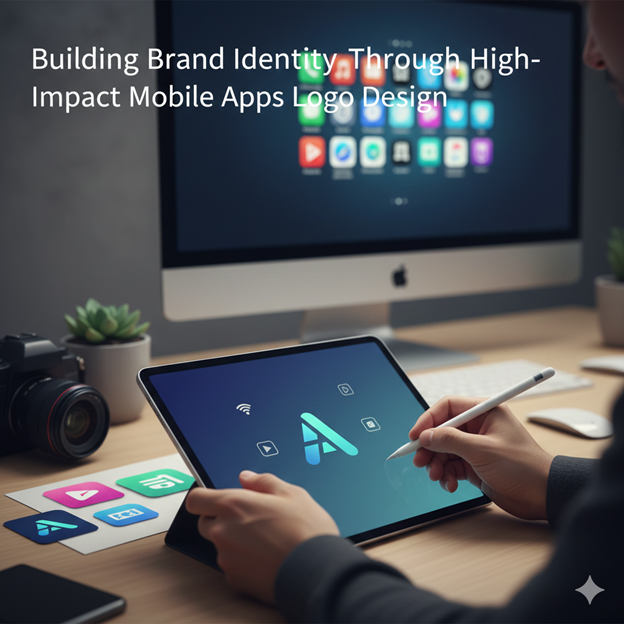
A memorable mobile apps logo often becomes the first point of recognition for users exploring new digital products. In a marketplace dominated by fast-scrolling app stores and tight competition, that small visual mark holds immense strategic value. When paired with Top professional mobile app development services, a well-crafted logo strengthens brand identity, enhances user trust, and ensures the app stands out in crowded categories. Considering the long-term impact of design decisions is essential, as a logo influences product perception long after launch.
Introduction: The Role of Mobile Apps Logo Design in Brand Perception
A mobile app’s logo is more than an icon. It communicates personality, promise, and purpose. Users often judge an app within seconds of seeing its logo, making visual clarity and memorability non-negotiable. Effective mobile apps logo design not only improves visibility in the app marketplace but also reinforces brand recall once users download and engage with the app.
Table of Contents
Why Logos Matter for Mobile App Development Services
Logo design directly influences how users evaluate credibility. Seamless integration between the logo, interface aesthetic, and product functionality builds trust. For teams offering mobile app development services, aligning UI palettes, onboarding screens, and app store branding with the logo ensures cohesion across the entire product journey.
Core Elements of an Effective Mobile Apps Logo
A powerful logo blends simplicity with meaning. It should communicate intent at a glance while feeling adaptable across diverse devices.
Iconography, Shapes, and Symbolic Language
Shapes carry psychological weight. Circles convey friendliness, squares signal stability, and abstract marks reflect innovation. Strong iconography helps users instantly understand the app’s essence without reading descriptions or promotional text.
Color Psychology and Visual Consistency
Color influences emotion and behaviour. Blues suggest reliability, reds evoke urgency, and greens represent growth. A cohesive palette strengthens visual identity across navigation bars, splash screens, and illustrations.
Typography, Legibility, and Multi-Device Adaptation
Fonts must remain sharp and readable even at small sizes. Mobile apps logos often need ultra-minimal typography to ensure clarity across smartphones, tablets, watches, and foldable devices.
Modern Trends Influencing Mobile Apps Logo Design
Designers continually adapt to new devices, display technologies, and user expectations.
Minimalism and Flat Design
Minimal logos continue dominating app marketplaces because they load fast, scale well, and remain visually clean. Flat design removes decorative clutter, emphasizing clarity and simplicity.
3D Gradients, Motion Logos, and Dynamic Variations
Recent design shifts embrace depth through soft gradients and subtle lighting. Motion logos—seen in splash animations—offer more character and storytelling flexibility.
Adaptive Logos for Wearables and Foldable Devices
Apps now operate on varying screen sizes. Scalable and responsive logos ensure consistency across smartwatch screens, foldable phones, and tablets.
Strategic Considerations When Designing Mobile App Logos
Design choices must be backed by research, long-term planning, and technical constraints.
User Research and Competitor Mapping
Understanding user expectations and category patterns helps designers create logos that feel relevant yet differentiated. Competitor analysis prevents visual overlap and enhances brand positioning.
Scalability, Resolution, and Performance Optimization
A logo must remain crisp whether displayed as a small app icon or full-screen splash image. Lightweight assets also support faster load times—critical for retaining users in low-bandwidth conditions.
Brand Alignment and Cross-Platform Uniformity
Consistency across iOS, Android, and web touchpoints ensures recognition. Unified branding strengthens trust, especially for apps offering multi-device ecosystems.
Tools & Frameworks Used in Modern Logo Creation
Designers rely on advanced software ecosystems to deliver refined visuals.
Vector Design Software and Prototyping Tools
Tools like Adobe Illustrator, Figma, and Affinity Designer enable precise vector creation, ensuring logos scale flawlessly without distortion.
AI-Powered Brand Visualization Platforms
AI-driven platforms assist designers by generating concept variations, color schemes, and style explorations faster than manual processes.
Collaboration Systems for Designers & Developers
Tools such as Figma Inspect, Zeplin, or Avocode streamline handoff, ensuring developers get exact specifications, files, and exportable assets.
FAQs
1. Why is a mobile apps logo so important for user engagement?
It builds first impressions, enhances brand recognition, and improves app store visibility.
2. How does logo design impact mobile app development services?
It sets the visual foundation for UI themes, onboarding flows, and branding consistency.
3. Which design trends dominate mobile apps logo creation?
Minimalism, soft gradients, 3D lighting, and motion-enhanced variations.
4. How can I ensure my logo scales across devices?
Vector design, responsive variations, and resolution-optimized exports ensure clarity everywhere.
5. Does a strong logo improve app downloads?
Yes clear and appealing logos capture attention, increasing click-through rates in app stores.
Conclusion
A compelling mobile apps logo shapes perception, elevates brand authority, and improves user recognition across the digital ecosystem. As businesses scale their app offerings, thoughtful visual design becomes a cornerstone of long-term success. Partnering with an Experienced software development company ensures every branding element aligns with strategic goals and delivers consistent impact across platforms.